Quick facts
- Season
- Mid-May to mid-September
- Location
- Between Holbox, Isla Contoy, and Isla Mujeres
- Booking
- Book well in advance (boat permits strictly limited)
- Key Rule
- No physical contact with the animals
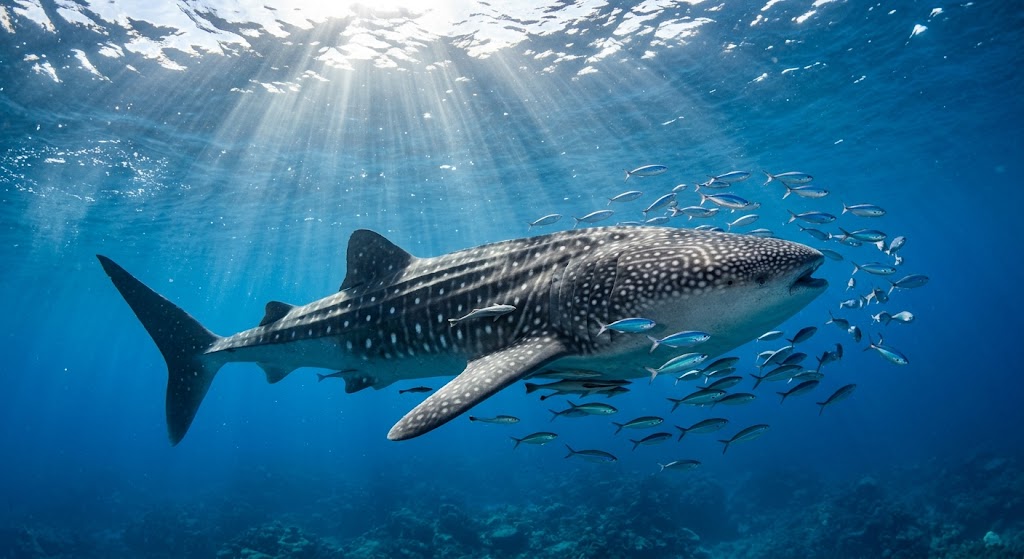
The whale shark (Rhincodon typus) is the world's largest fish, and swimming alongside one is a profound encounter with nature's gentle giant. The northern Yucatán peninsula—between the islands of Holbox, Isla Contoy, and Isla Mujeres—is one of only a handful of places on Earth where these magnificent creatures gather, drawn by seasonal plankton blooms. However, this privilege comes with strict conditions. Legal excursions run exclusively from mid-May to mid-September, and operators must follow rigid protocols to protect both the animals and the experience. Preparation is essential: book well in advance, choose your operator carefully, and learn the rules that govern every encounter.
The Narrow Seasonal Window
Whale sharks are not permanent residents of Mexican waters. They arrive in the northern Yucatán exclusively during the summer months, from mid-May through mid-September, following the annual pulse of plankton that sustains their filter-feeding lifestyle. This tight window means that your visit must be carefully timed if seeing a whale shark is a priority.
The peak months are typically June, July, and August, when sightings are most frequent and water visibility is excellent. However, the season is entirely natural and variable; weather patterns and ocean conditions can affect both arrival dates and abundance. Unlike land-based wildlife, whale sharks cannot be guaranteed—tour operators can only offer 'best effort' excursions with no 100 percent sighting guarantee. Arriving outside this window makes encounters extremely unlikely, so plan your Yucatán trip accordingly if the whale shark is on your must-see list.
Where to Find Whale Sharks
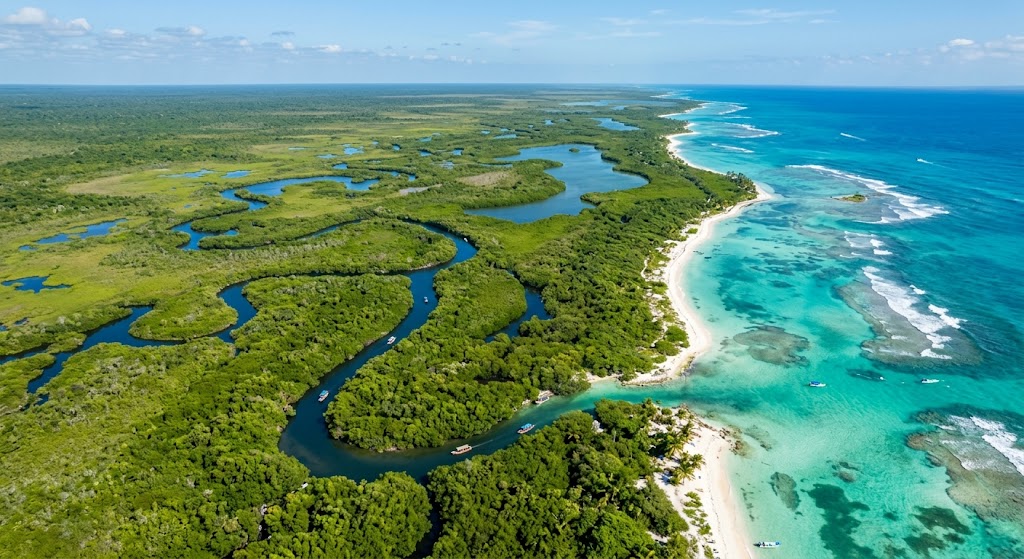
Whale sharks congregate in the plankton-rich waters of the northern peninsula, creating three main departure points for excursions. Isla Holbox is the most popular base, offering the closest access and the most frequent tours. Isla Contoy, a protected national park island north of Cancún, is another prime location, though day trips are typically accessed via Isla Mujeres. Isla Mujeres itself, situated off the coast of Cancún, serves as a third departure hub.
The choice of base matters for practical reasons: Holbox offers a relaxed, bohemian island vibe and is ideal if you want to stay a few days and maximize your chances. Isla Mujeres is more developed and offers easy ferry access from Cancún if you prefer a quicker turnaround. Water temperatures during peak season (June–August) reach a warm 28–29°C, making wetsuits optional—though many operators provide them anyway for sun and jellyfish protection.
Ethical Swimming & Legal Rules
Swimming with whale sharks is heavily regulated in Mexico, and these regulations exist for good reason. The animals are vulnerable, and their welfare depends on every visitor respecting strict rules. Most critically, any physical contact with the whale shark is strictly forbidden. This means no touching, no grabbing fins, and no attempting to ride. Guides will position you in the water at a safe distance, and the shark will approach or move away of its own accord. Approach the encounter as an observer, not a participant.
Additional guidelines protect both the ecosystem and your safety. Reef-safe sunscreen only; chemical sunscreens damage the delicate microorganisms the whale shark depends on. Maintain at least a 1.2-metre distance if the animal approaches you. Avoid sudden movements and loud noises. Operators are legally bound to enforce these rules and may end a tour if a guest violates them. The regulations serve the whale shark's survival and ensure that future generations can also experience this encounter.
Booking Your Excursion
Book your whale shark tour well in advance, especially if travelling during peak season (June–August). Mexican authorities strictly regulate the number of boats permitted on site each day, creating genuine scarcity. Professional operators are licensed and carry the credentials to prove it. Ask for operator reviews on trusted platforms and confirm that your guide is trained in both whale shark behaviour and marine safety.
Excursions typically depart early in the morning (5–6 a.m.) to maximize search time and beat the afternoon heat. Tours usually last 5–7 hours and cost between 1,500 and 2,500 Mexican pesos per person (roughly 90–150 US dollars). Your fee typically covers the boat, snorkelling gear, a guide, and breakfast. Plan your accommodation near your departure point the night before to make an early start manageable. Bring a hat, reef-safe sunscreen, a rash guard, and a waterproof camera if you have one.
What to Expect & Bring
A whale shark encounter is thrilling but also unpredictable. You may see one whale shark, several, or on rare occasions, none—this is nature, not a theme park. Most successful tours find at least one whale shark, and guides use spotting techniques honed over years of experience. When a whale shark is located, the boat will cut its engine and position snorkellers in the water. The shark may swim directly past you, offering a close-up view of its distinctive white-spotted hide, or may keep its distance. Either way, the moment is unforgettable.
Pack lightly for the boat: sunscreen (reef-safe), a hat, polarized sunglasses (helps spotting), and a lightweight long-sleeved rash guard to reduce sun exposure. Bring medications if prone to seasickness, as the open ocean can be choppy. A waterproof dry bag protects your phone, and a snorkel camera captures the memory. Most importantly, bring patience and respect for the animal. This is a privilege, not a right, and that perspective enriches the entire experience.
Plan Your Whale Shark Adventure
Find the perfect island base and book your summer trip to meet the world's largest fish.
Explore Where to Stay for Whale Shark SeasonKeep Exploring
FAQ
What if I don't see a whale shark?
While whale sharks are frequently spotted during mid-May to mid-September, sightings are never guaranteed because they are wild animals following natural plankton patterns. Reputable operators may offer a reduced-price return trip or a credit toward a future tour if a whale shark is not sighted. Always confirm this policy when booking.
Is it safe to swim with whale sharks?
Yes, whale sharks are filter-feeders and non-aggressive toward humans. They eat only plankton and tiny fish, posing zero threat to adult swimmers. The main safety concern is the ocean itself—currents and boat traffic. Always follow your guide's instructions and stay aware of your surroundings.
Can I touch the whale shark?
No. Physical contact is strictly forbidden under Mexican law and international best-practice guidelines. Touching stresses the animal and can damage its protective mucus layer. Guides will position you to observe from a safe distance, which is close enough for amazing photographs and memories.
How far in advance should I book?
Book at least 2–4 weeks ahead, especially for travel in June, July, or August when demand is highest. Boat permits are limited, and popular operators fill up quickly. Booking through a licensed tour company or your accommodation provider ensures legitimacy and protects your money.