Quick facts
- Best time to visit
- November to February (dry season, 28–30°C)
- Museum entry
- Gran Museo del Mundo Maya about 60 pesos
- Getting there
- Rental car or first-class ADO buses from Cancún, Playa del Carmen
- Ideal stay
- 2 to 3 days to explore the city thoroughly
Mérida, the capital of Yucatán state, earned its nickname 'the White City' for the elegant colonial facades that dominated its historic center. More than a photo-friendly designation, this status reflects Mérida's true essence: the cultural and intellectual capital of the Yucatan peninsula. Unlike the beach resort atmosphere of the Riviera Maya, Mérida offers authentic encounters with local traditions, pre-Columbian history, and the living heritage of the Yucatecan people.
Home to vibrant plazas, soaring churches, and world-class museums, Mérida rewards slow exploration. Whether you arrive by renting a car or taking first-class ADO buses from Cancún or Playa del Carmen, you'll find a city where every corner tells a story of conquest, resilience, and cultural pride.
Plaza Grande & the Heart of the City
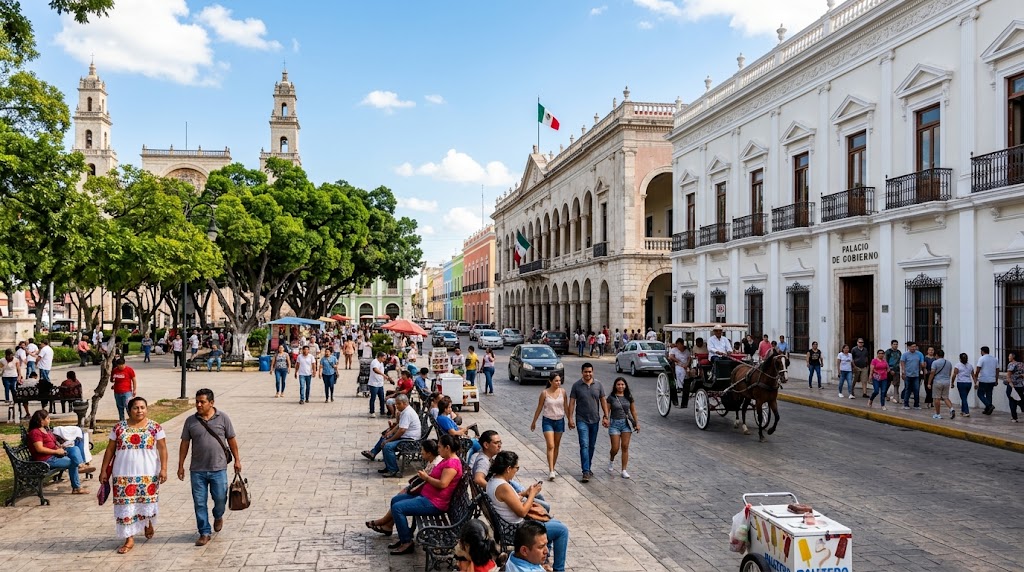
Begin your journey at the Plaza Grande, Mérida's bustling central square. This is where locals gather, tourists soak in the atmosphere, and street vendors offer fresh fruit and Yucatecan snacks. The plaza's four sides define the city's cultural spine: the 16th-century San Ildefonso Cathedral dominates the west, its austere limestone facade a masterpiece of colonial restraint.
To the east stands the Palacio de Gobierno, whose interior walls are adorned with monumental murals by painter Fernando Castro Pacheco. These powerful works depict the Yucatan's turbulent history, from the arrival of the Spanish conquistadors to indigenous resistance and modern struggles. Entry is free, making this an essential cultural experience.
Spend your evening here as locals do: sipping cold horchata, watching the light fade over the cathedral, and perhaps catching street musicians or cultural events that often unfold in the cooler hours after sunset.
Colonial Architecture & Paseo de Montejo
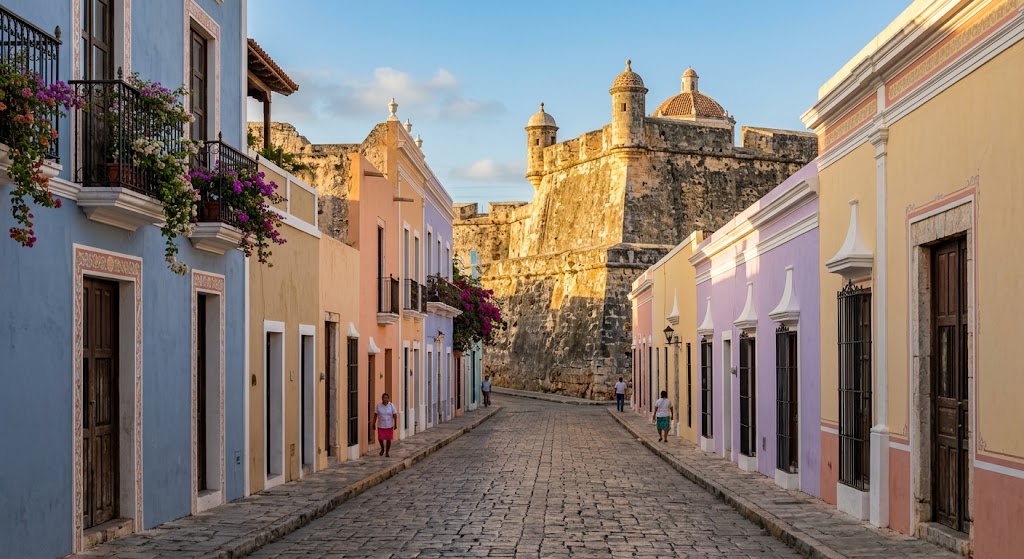
From the Plaza Grande, walk along the wide, tree-lined Paseo de Montejo, Mérida's most storied avenue. This grand boulevard was laid out and built by the 'green gold' barons—wealthy merchants who grew fabulously rich from henequén (sisal) cultivation in the 19th century. Their opulent mansions line both sides, each more extravagant than the last, with soaring columns, ornate details, and gardens that speak to a vanished era of extreme wealth.
Stroll the entire length if time allows, pausing to admire facades in shades of cream, pale yellow, and soft ochre. Many mansions have been converted into boutique hotels, galleries, or restaurants, so you can step inside to appreciate the high ceilings and period details without pretense.
Don't miss the majestic San Ildefonso Cathedral, whose sheer scale and unadorned beauty reflect the early colonial period before excessive decoration became fashionable. The contrast between this austere monument and the ornate 19th-century palaces shows how architectural taste evolved across centuries.
Museums & Cultural Life
To grasp the full complexity of pre-Columbian Yucatecan civilization, visit the Gran Museo del Mundo Maya (entry about 60 pesos). This world-class institution showcases jade masks, limestone stelae, pottery, and artifacts spanning thousands of years of Maya culture. The museum's design reflects the city's intellectual ambition, and its collection contextualizes every other archaeological site you'll visit on your peninsula journey.
For a lighter cultural experience, wander the historic neighborhoods where you'll find galleries, small museums dedicated to local art, and cultural centers hosting performances. The city hosts a vibrant arts scene year-round, with a particular surge of activity during the cooler months when outdoor events flourish.
Consider staying in the historic center to be within walking distance of these attractions. Mérida's accommodations range from colonial mansions converted into boutique hotels to family-run guesthouses, all imbued with local character and hospitality.
Getting Around Mérida
Mérida is exceptionally walkable, especially the historic center where most attractions cluster within a few blocks. The grid layout means you won't get lost, and locals are famously helpful to visitors asking directions. Wear comfortable shoes and carry water; the sun can be intense, even in the dry season.
For day trips to nearby cenotes or smaller towns, renting a car provides flexibility, though local transportation like colectivos (shared vans) and first-class ADO buses connect Mérida to Valladolid, Cancún, and other peninsula destinations. If you prefer not to drive, buses are reliable, affordable, and widely used by locals.
Taxis are readily available and reasonably priced within the city. Many visitors also rent bicycles or scooters to explore at a slower pace, ideal for discovering hidden plazas and residential neighborhoods where authentic Yucatecan life unfolds away from tourist circuits.
Practical Tips for Visiting
Visit Mérida during the dry season, November through April, when temperatures hover around 28 to 30 degrees Celsius and humidity is manageable. Mornings are coolest, making early exploration ideal before the midday heat settles in. The rainy season (May–October) brings oppressive heat and afternoon storms, though prices drop and crowds thin dramatically.
Sample the local cuisine: Yucatecan food differs distinctly from Mexican fare elsewhere, featuring cochinita pibil (slow-roasted pork), papadzules (rolled tortillas in pumpkin-seed sauce), and fresh seafood. Street food and modest comedores (family restaurants) serve generous portions for a few euros, while upscale dining celebrates regional ingredients with creativity.
Don't overlook the smaller plazas and neighborhoods. Beyond the monumental center lies a living city where children play, elderly residents rest in the shade, and the rhythms of local life continue undisturbed by tourism. This is where Mérida's true soul resides.
Ready to Experience Mérida?
Find the perfect colonial mansion or local guesthouse to make your stay unforgettable.
Browse Accommodations in MéridaKeep Exploring
FAQ
How many days should I spend in Mérida?
Two to three days allows time to explore the historic center, visit museums, wander colonial neighborhoods, and soak in the atmosphere without feeling rushed. Longer stays let you take day trips to nearby cenotes or smaller colonial towns.
Why is Mérida called the 'White City'?
The city earned this nickname because of the predominance of white and pale cream-colored colonial facades that dominate its historic center. The whitewashed buildings create a visually striking and unified aesthetic.
Is it safe to walk around Mérida at night?
Yes, Mérida is considered one of Mexico's safest cities. The historic center, especially the Plaza Grande and surrounding blocks, is well-lit and frequented by locals and tourists in the evening. Use standard travel safety practices, but don't be afraid to explore.
What's the best way to reach Mérida from Cancún or Playa del Carmen?
You can rent a car (about 3.5 hours from Cancún) or take first-class ADO buses, which are comfortable, reliable, and significantly cheaper. Buses run multiple times daily and are widely used by locals.