Quick facts
- How to Get There
- Ferry from Chiquilá (25 minutes, runs every 30 minutes)
- Getting Around
- Foot, bicycle, or golf cart rental (1,000 pesos for 3 hours)
- Best For
- Artists, beach lovers, and night owls seeking bioluminescence
- Top Experience
- Nighttime kayaking in glowing waters
Isla Holbox is not like other Caribbean islands. This bohemian gem lies off the northeast coast of the Yucatán, and the moment you arrive, you understand why it captivates artists, travelers, and dreamers: there are no cars here, no tarmac roads, no engine noise. Instead, you move by foot, bicycle, or the occasional golf cart, creating a rhythm of life that feels utterly removed from the rest of Mexico.
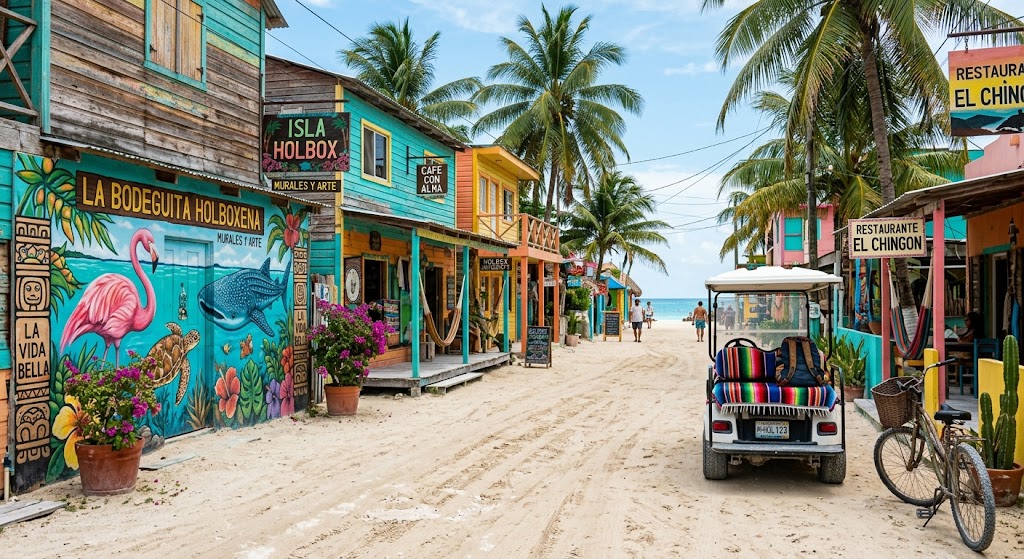
The island radiates colour and creativity. Vibrant street-art murals cover buildings throughout the town, reflecting the free spirit that draws creative souls to settle here. Beyond the art and peaceful transport culture, Holbox offers pristine white sandbars stretching into warm, shallow waters—and on clear nights, something truly magical happens: the waters glow with bioluminescence, a natural phenomenon that turns kayaking into an otherworldly experience.
Getting There & Transport
If you've rented a car to explore the Yucatán, your first task is to leave it behind. Drive to the small port town of Chiquilá on the north coast. Park your vehicle securely and head to the ferry terminal. The crossing takes just 25 minutes and ferries run every half hour, making arrival flexible and stress-free.
Once on the island, forget roads entirely. Holbox has no paved streets, and that's by design. You'll navigate via sandy paths on foot, or rent a bicycle to cover more ground cheaply and with minimal effort. For those wanting to explore further afield—like visiting distant sandbars or reaching restaurants on the far side of town—golf cart rentals cost around 1,000 pesos for three hours. It's a leisurely, low-impact way to get around.
What to Do
Beyond wandering and admiring street art, Holbox offers experiences tied closely to its unique ecosystem. The star activity is a nighttime kayak excursion into the island's shallow waters to witness bioluminescence. When your paddle disturbs the water, microorganisms emit light, creating a trail of glowing blue ripples—utterly mesmerizing and something you'll remember for years. These tours operate year-round, though conditions vary seasonally.
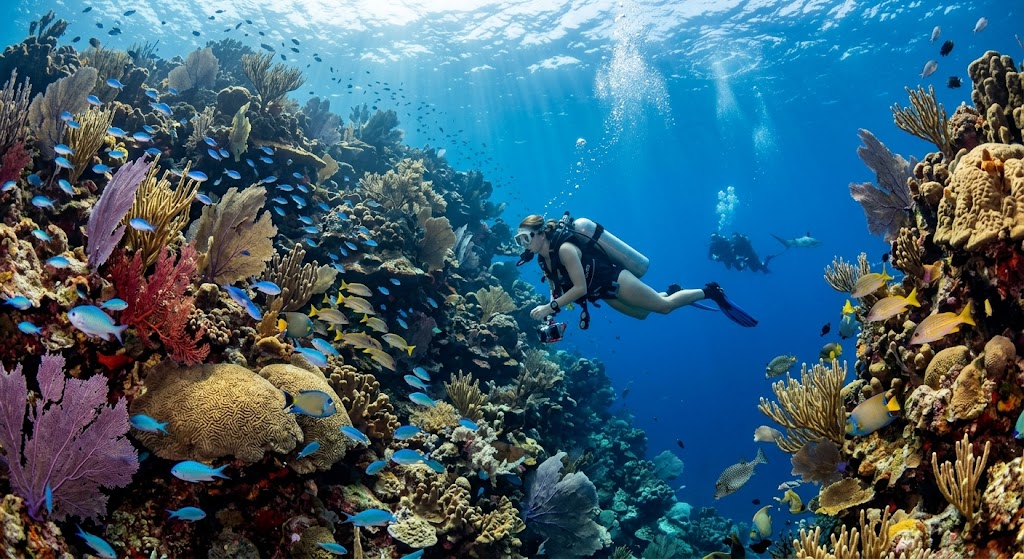
For those interested in marine life, guided snorkeling and wildlife watching excursions depart regularly to explore nearby reefs and mangrove forests. You might spot nurse sharks, rays, and tropical fish. Beach days are uncomplicated: find a stretch of sand, wade into the warm, shallow water, and surrender to the pace of island time. Unlike busier resort areas, Holbox maintains a peaceful, undeveloped atmosphere even at peak season.
Beaches & Sandbars
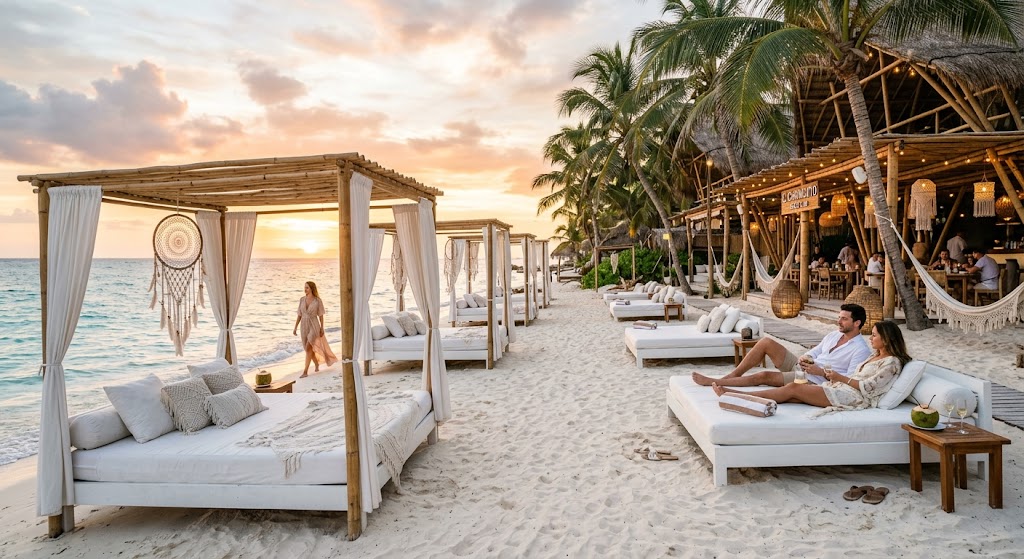
The island is rimmed by immense white sandbars and calm, turquoise waters—perfect for swimming year-round. The most famous is Punta Mosquito on the east side, where the water is incredibly shallow even far from shore. You can wade out hundreds of metres and still stand comfortably. These pristine beaches rarely feel crowded, even during Mexico's winter tourist season.
The sandbars shift seasonally, creating an ever-changing geography that locals know intimately. Many beach clubs and restaurants position themselves on choice stretches, offering food and shade if you want comfort. The water temperature stays warm (around 26-28°C year-round), making swimming pleasurable in any season. Sunsets here are legendary—golden light bathing the shallow waters in shades of amber and pink.
Where to Stay
Accommodation ranges from budget-conscious backpacker hostels to mid-range beachfront posadas and luxury eco-resorts. The island's bohemian character is reflected in its lodges, many decorated with local art and offering communal spaces that encourage mingling. Since the island is small and car-free, location matters less than at typical beach resorts; anywhere you stay is walkable to restaurants and the waterfront.
Book accommodation in advance during winter holidays (December-January) and spring break (March), as Holbox's growing popularity fills beds quickly. Shoulder seasons (November, February, April) offer excellent weather with fewer travelers and lower rates, making them ideal for budget-conscious visits. The island has no large all-inclusive chains—this is deliberately craft-focused lodging that suits travelers seeking authenticity and community.
Insider Tips
Plan a visit of at least two nights to justify the ferry journey and fully embrace island pace. One night feels rushed; three or four lets you truly decompress. Bring cash (ATMs exist but can run out) and reef-safe sunscreen (or protective clothing), as the island is conscious of ocean health. Pack light clothing, insect repellent for dusk hours, and a small dry bag if you're kayaking to the bioluminescent waters.
The best bioluminescence appears on moonless or new-moon nights when darkness amplifies the light. Ask your accommodation or local tour operators about timing. Finally, respect the island's commitment to sustainability: dispose of waste properly, avoid single-use plastics, and support locally-owned restaurants and shops rather than chains. Holbox's magic lies in its rejection of mass tourism infrastructure—help keep it that way.
Find Your Perfect Holbox Retreat
Book beachfront cabañas, eco-lodges, and posadas that match your style and budget.
Explore AccommodationsKeep Exploring
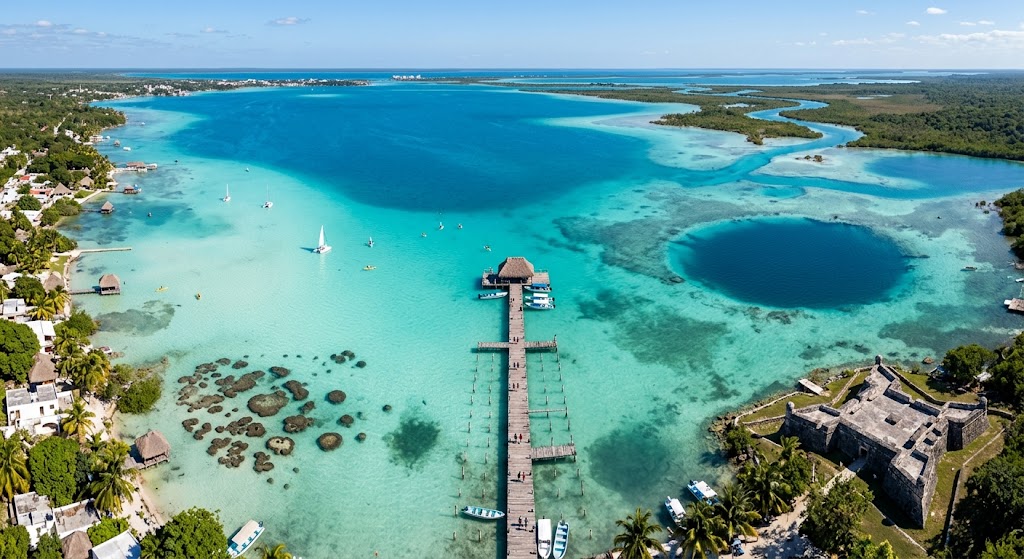
Keep exploring: Kayaking in Bacalar: Discover the Lagoon of Seven Colors, Playa del Carmen or Tulum? The Resort Showdown and Bacalar: Complete Guide to the Lagoon of Seven Colors cover more ground worth adding to your itinerary.
FAQ
Can I bring my rental car to Isla Holbox?
No. There is no bridge or car ferry to Holbox. You must park your car securely in Chiquilá and take the passenger ferry (25 minutes). However, you can explore the island easily by foot, bicycle, or golf cart rental.
When is the best time to see bioluminescence on Holbox?
Bioluminescence occurs year-round in Holbox's shallow waters, but visibility is best on nights with little to no moon. Avoid full moon periods. Tours operate nightly, and your accommodation or tour operators can advise on conditions for your specific dates.
How much does a golf cart rental cost?
Golf cart rentals typically cost around 1,000 pesos for three hours. Bicycles are cheaper (around 150-200 pesos per day) and perfect for exploring the compact town and nearby areas.
Is Holbox crowded?
Holbox is growing in popularity but remains far quieter than nearby resorts. It attracts artists and independent travelers rather than tour-bus crowds. December-January and March see more visitors; November, February, and April are peaceful with excellent weather.