Quick facts
- Ferry Cost
- Around 28 euros per person (car-free)
- Best For
- Snorkeling, reef dives, marine life
- Getting Around
- Scooter or rental car rental for east coast
- Must-See
- Punta Sur eco-reserve & El Cielo starfish beds
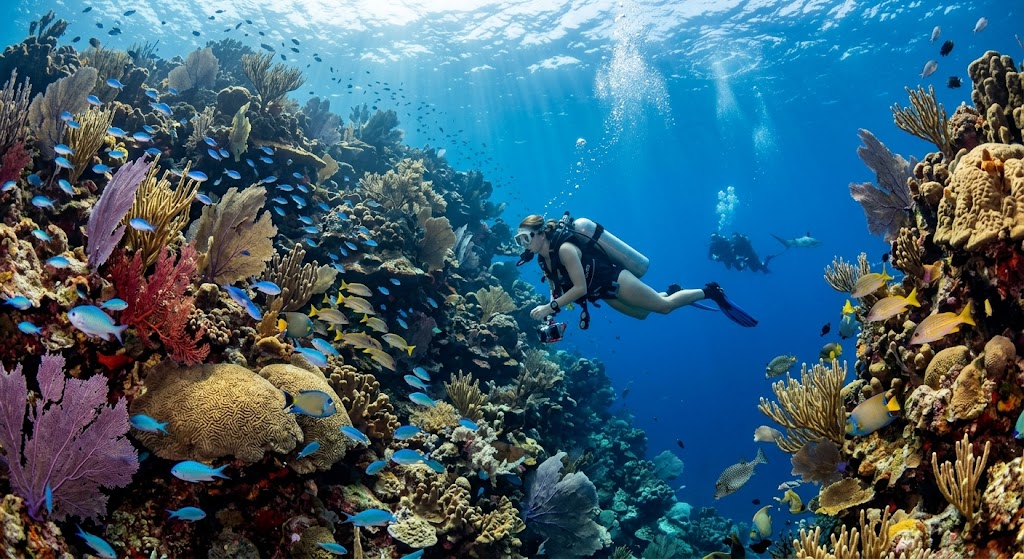
Cozumel, the large island facing Playa del Carmen, holds a portion of the Mesoamerican Barrier Reef—the second largest coral reef system in the world. This underwater wonderland captivated the legendary oceanographer Jacques Cousteau, who declared it the finest dive destination on the planet. Whether you are a certified scuba diver or a casual snorkeler, Cozumel offers unforgettable encounters with an explosion of marine life beneath crystalline turquoise waters.
The island's shores are home to vibrant coral gardens, tropical fish in every hue, sea turtles, rays and occasional shark sightings. Small-boat excursions and catamaran tours take visitors to pristine sanctuaries, while the wild east coast and the dramatic Punta Sur reserve showcase the island's raw natural power. To fully explore Cozumel's underwater realms, consider visiting our marine life guide, which covers snorkeling techniques and creature encounters.
The Mesoamerican Barrier Reef
At over 900 kilometres long, the Mesoamerican Barrier Reef stretches from Isla Mujeres in the north all the way to the Bay Islands in Honduras. Cozumel sits along its most spectacular stretch, offering world-class visibility and astonishing biodiversity. The coral formations here include towering brain corals, branching elkhorns, and delicate sea fans, all home to moray eels, lobsters, groupers and dense schools of jacks and snappers.
The reef system also functions as a nursery for sea turtles and a feeding ground for eagle rays and nurse sharks. Divers regularly encounter these graceful creatures gliding through the blue. The clarity of the water—often exceeding 40 metres visibility—is exceptional, making Cozumel a destination that rivals the Caribbean's most celebrated sites. For a deeper dive into Yucatan's marine ecosystems, explore our cenote guide for freshwater alternatives.
Getting to Cozumel: Ferry & Transport
The ferry crossing from Playa del Carmen to Cozumel takes roughly 45 minutes and costs around 28 euros per person for foot passengers (vehicle rates are higher). Multiple daily departures from the main pier make the journey convenient. Upon arrival, the island is best explored by renting a scooter (very affordable) or a car. The main town clusters around the west-facing shore, while the true magic lies on the eastern and southern coasts—wilder, less developed, and far more spectacular.
For an extended Cozumel stay, check our guide to accommodations and islands, where you will find lodging options suited to divers, families and budget travellers alike. The island has excellent dive shops and tour operators throughout the town, making it easy to book snorkeling and diving excursions on the spot or in advance.
Snorkeling & Diving Excursions
Small-boat and catamaran tours depart regularly to visit the island's most treasured reef sanctuaries. El Cielo, one of the most popular excursions, takes you to a shallow bank covered in starfish and soft corals—an unforgettable sight. Other celebrated dive sites include Paradise Reef, Palancar Reef, and the dramatic drop-offs at Yucab Reef. These reef ecosystems support an astounding array of fish: parrotfish, angelfish, damselfish, wrasses and trumpetfish all compete for space and food in a living kaleidoscope.
Diving in Cozumel requires appropriate certification and should be arranged through reputable operators. Visibility is often exceptional, and the experience of drifting along a pristine wall or into a coral garden ranks among the world's greatest underwater adventures. Many operators offer courses for beginners, making it possible to earn your certification while diving in paradise.
Punta Sur Eco-Reserve: Lighthouse, Mangrove & Wild Beaches
The southern tip of Cozumel, Punta Sur, is a protected eco-reserve showcasing the island's raw coastal beauty. Here, a distinctive lighthouse stands sentinel over azure waters crashing against limestone cliffs. The reserve encompasses mangrove forests, pristine beaches and a snorkeling area where the coral begins just metres from the shore. The contrast between the manicured west coast and this untamed southern landscape is striking—and deeply rewarding for explorers.
A scooter or rental car is essential to reach Punta Sur from the town centre; the road winds through tropical scrubland and rewards you with solitude and dramatic seascapes. The reserve is officially protected, so visit respectfully and bring plenty of water. At sunset, the golden light transforms the lighthouse and surrounding landscape into a photographer's paradise, and the waters often turn a luminous turquoise unlike anywhere else on the island.
Practical Information & Reef Etiquette
Respect for the reef ensures its survival for future generations. Avoid touching coral, stepping on the seabed, or wearing reef-damaging sunscreen—only apply reef-safe products. Do not collect shells or disturb marine life. Many excursions enforce these rules strictly, so listen carefully to guide instructions. Bring a rash guard or wetsuit to protect your skin and reduce temptation to touch. A good underwater camera or GoPro lets you capture memories without disturbing creatures.
The best visibility typically occurs between December and April, when weather is calm and the plankton load is minimal. Book dive and snorkeling excursions through established operators with strong safety records. For more tips on responsible coastal exploration, visit our Yucatan islands guide. Remember: the reef is a living system worth billions of dollars and irreplaceable as a natural treasure—treat it with the reverence it deserves.
Plan Your Cozumel Reef Adventure
Discover the world's best-kept underwater secrets with our marine life guides and island travel resources.
Explore Marine ExcursionsKeep Exploring
If you're still planning this part of the trip, these guides pair well with it: Cozumel Snorkeling Guide: Best Spots for Crystal-Clear Waters, El Cuyo: The Secret, Authentic Alternative to Holbox and Isla Holbox: The Car-Free Bohemian Paradise.
FAQ
Do I need diving certification to explore the reefs around Cozumel?
You can snorkel without certification in shallow waters near the shore or on guided boat tours. For scuba diving, you need at least an Open Water certification (or higher), which many operators offer as a course. Beginners can take the popular Discover Scuba program under instructor supervision.
What is the best time of year to visit Cozumel for reef exploration?
December through April offers the best conditions: calm waters, minimal sargassum, and exceptional visibility exceeding 40 metres. Summer (May-October) is warmer but brings rougher seas and occasional sargassum. September-October also carry cyclone risk.
How much does a typical snorkeling or diving excursion cost?
Small-group snorkeling tours typically range from 50 to 80 euros per person and last 3-4 hours. Scuba diving excursions (two-tank dives) cost around 100-150 euros per person. All-inclusive catamaran tours with food, drinks and multiple stops average 80-120 euros per person.
Can I see whale sharks or other large marine life near Cozumel?
Whale sharks visit the northern waters (Isla Mujeres, Holbox) seasonally from May to September. Cozumel's reefs feature smaller sharks (nurse sharks, reef sharks), giant manta rays, eagle rays, sea turtles and groupers. For whale shark encounters, visit our guide on seasonal wildlife experiences.