Quick facts
- Best Time
- November to April (dry season, cooler weather)
- Duration
- Half-day to full-day excursions depending on location
- Budget
- Entry: 50-400 pesos per cenote; guided tours 200-600 pesos
- Getting There
- Rent a car; most cenotes require independent transport
The cenotes of the Yucatan Peninsula represent one of Mexico's most captivating natural phenomena — vast underground lakes and swimming holes carved into limestone bedrock over millennia. These geological marvels were sacred to the ancient Maya, who believed cenotes were portals to the underworld. Today, they offer visitors a chance to swim in water of mesmerizing clarity, explore hidden caverns draped in stalactites, and understand the unique ecosystem that shaped Maya civilization. This guide showcases 15 of the most beautiful cenotes, from world-famous tourist draws to intimate local secrets, with everything you need to plan an unforgettable visit.
Understanding Cenotes: Three Geological Types
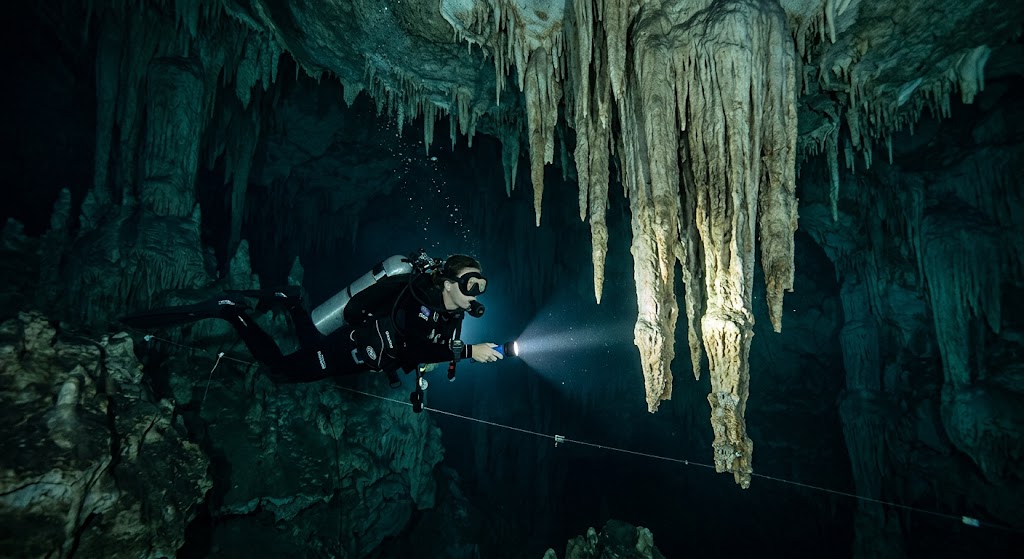
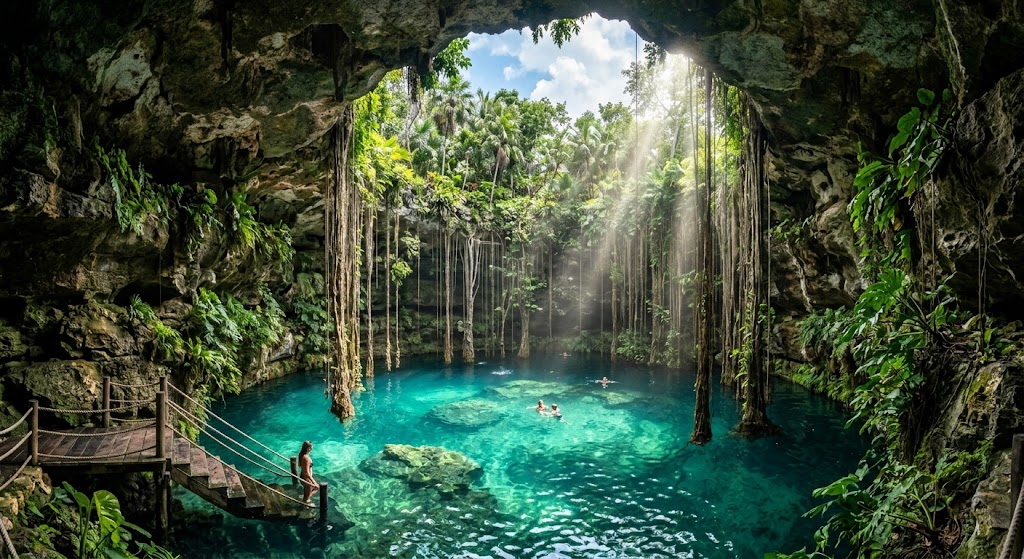
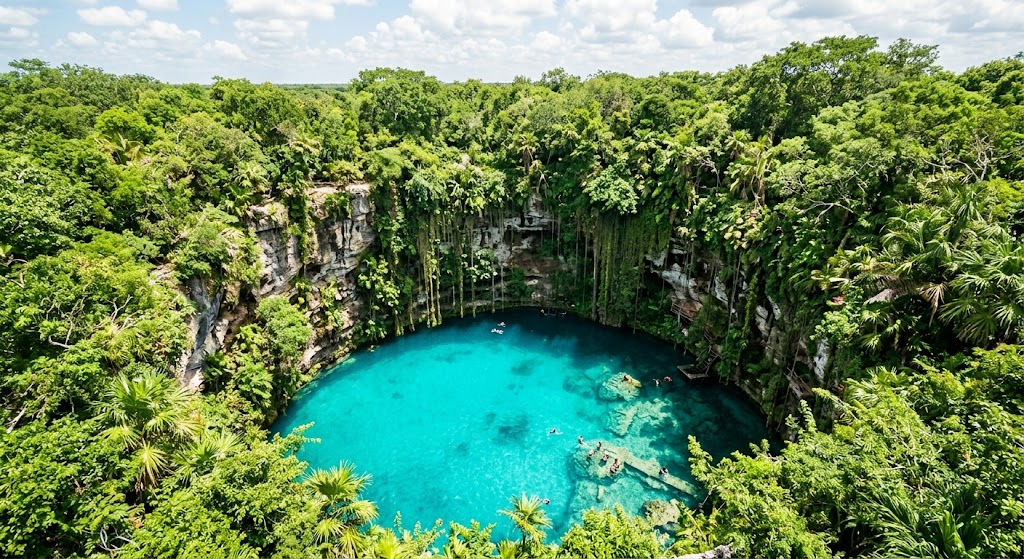
Cenotes fall into three distinct categories, each offering a different sensory experience. Open cenotes resemble tranquil freshwater lakes, surrounded by lush vegetation with direct sunlight illuminating the water. Semi-open cenotes feature a collapsed roof, creating dramatic natural formations and spectacular shafts of light that pierce through the darkness, ideal for photography. Underground cenotes lie entirely within cave systems, accessible through narrow passages, their waters revealing formations like stalactites and stalagmites frozen in time.
The water temperature typically hovers around 24-27 degrees Celsius year-round, offering refreshing relief from the tropical heat. Cenote water originates from underground rivers percolating through the peninsula's porous limestone, a system so vast it forms one of the world's longest underwater cave networks.
The World-Class Cenotes Everyone Visits
Gran Cenote (near Tulum) deserves its reputation as one of the most family-friendly cenotes in the Yucatan. This open cenote features wooden walkways descending gently to the water, making access easy for children and those with mobility concerns. The highlight: you'll frequently spot sea turtles gliding through the crystalline water, creating unforgettable moments. Arrive early to secure parking and enjoy a peaceful swim before tour groups arrive.
Cenote Dos Ojos (near Playa del Carmen) holds a legendary reputation among divers and snorkelers for its literally unreal water clarity. The cenote's two distinct sink holes — hence the name 'Two Eyes' — showcase underground caverns and massive chambers. Advanced snorkelers and divers can explore the flooded cave systems, encountering thousands of stalactites and an otherworldly landscape.
Cenote Ik Kil (near Chichén Itzá) is perhaps the most iconic cenote in Mexico. A vast semi-open formation with a 40-meter drop to the water's surface, Ik Kil impresses visitors with its sheer scale and impressive natural architecture. Lianas and vines cascade from the opening above, and despite heavy tourist traffic, the cenote's grandeur makes it unmissable. Learn more about cenote types and locations in our full cenotes guide.
Essential Rules & Conservation Tips
The cenotes' fragile ecosystem demands respectful behavior. Follow these critical rules to preserve these natural wonders for future generations: Arrive early — visit at opening time to beat crowds, enjoy quieter water, and escape the midday heat. Shower before entering the water using the facilities at most cenotes; this removes body oils, cosmetics, and sunscreen residue that harm the ecosystem.
NEVER use sunscreen or insect repellent — even 'biodegradable' products — as these pollutants accumulate in the water and damage the sensitive flora and fauna. Leave your sunscreen in your bag or rent an umbrella. Wear lightweight, long-sleeved UV protection clothing (a 'rash guard') if you're concerned about sun exposure. Avoid touching cave formations, standing on corals, or disturbing wildlife. Discover responsible snorkeling practices in our marine life guide. Most importantly, take all trash with you and practice 'leave no trace' principles that honor the sacred heritage of these water sources.
Plan Your Cenote Adventure
Visiting multiple cenotes requires independent transport — renting a car offers unmatched flexibility to explore at your own pace, skip crowded attractions, and discover lesser-known sites. Read our transparent car rental guide to avoid airport scams and secure reliable, affordable transportation. Consider pairing cenote visits with nearby Mayan temple exploration or beach time to create a perfectly balanced Yucatan itinerary that showcases the peninsula's incredible diversity.
Ready to explore the cenotes?
Rent a car to reach the best cenotes and maximize your Yucatan adventure.
Find Your Perfect Car RentalKeep Exploring
If you're still planning this part of the trip, these guides pair well with it: The Best Cenotes Around Valladolid, Tulum & Riviera Maya: The Cenotes You Can't Miss and Cenote or Beach? Best Swimming Spots in Yucatán.
FAQ
What is the best time of day to visit a cenote?
Arrive right at opening time, typically 8-9 a.m. Early visits offer the calmest water, best lighting for photography, smallest crowds, and cooler temperatures. Most cenotes become extremely crowded by 11 a.m. as tour buses arrive.
Can I wear regular sunscreen at cenotes?
No. Even biodegradable sunscreen damages cenote ecosystems. Instead, apply sunscreen before arriving, wear UV-protective rash guards, or use a beach umbrella provided at many cenotes. This protects both you and the fragile environment.
Which cenotes are best for children?
Gran Cenote is ideal for families, featuring wooden walkways, shallow entry points, and calm water perfect for young swimmers. Cenote Azul also offers family-friendly facilities. Avoid deep cenotes like Dos Ojos and Ik Kil for small children.
Do I need a car to visit cenotes?
Most cenotes require a car or guided tour to reach. Renting a vehicle gives you flexibility to visit multiple sites at your own pace, avoid organized tour markups, and discover hidden gems beyond the main tourist circuit.