Quick facts
- Certification Required
- Open Water minimum (PADI Level 1)
- Best Known Site
- Cenote Dos Ojos (two routes)
- Guided Dive Cost
- Around 70 USD per dive
- Best Time to Visit
- November to March (dry season)
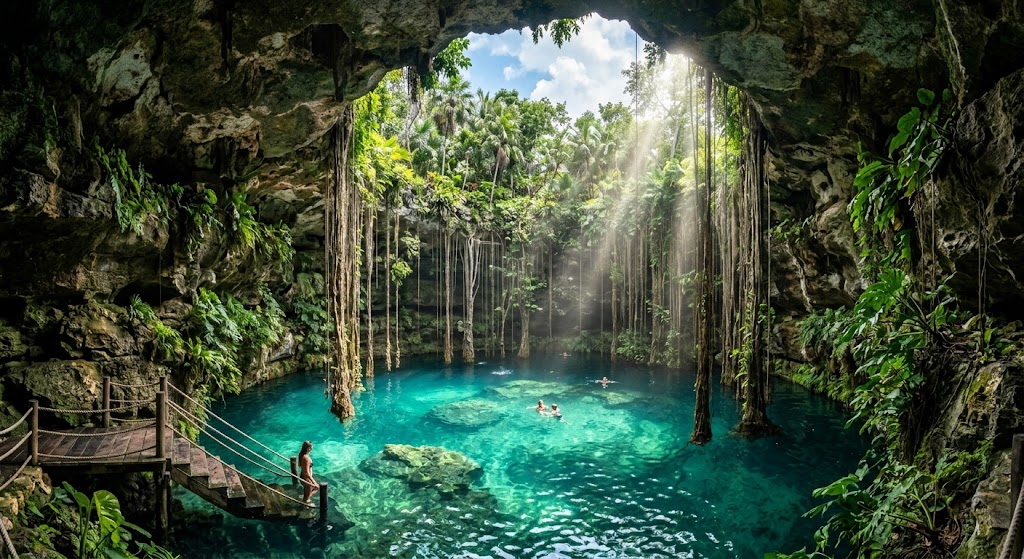
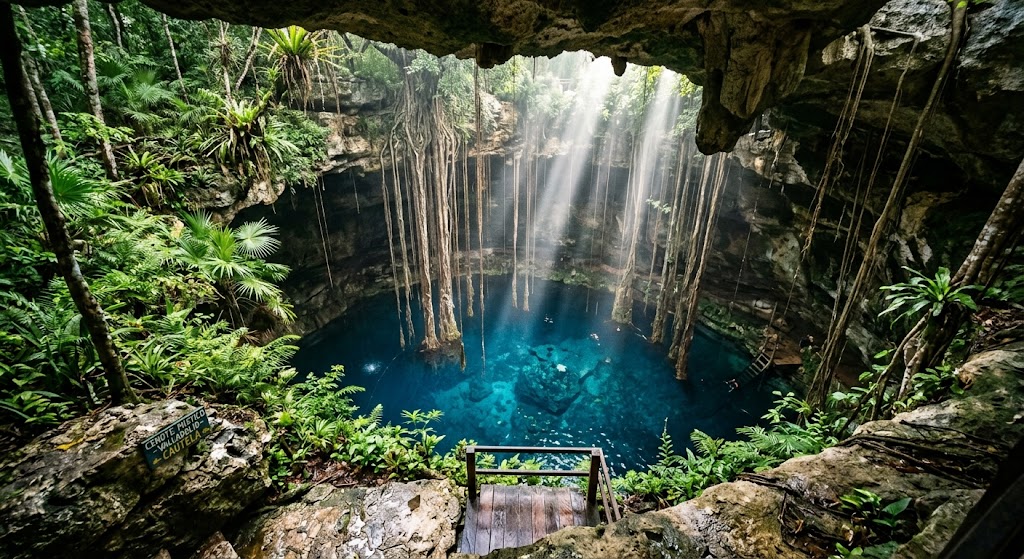
The cenotes of the Yucatán Peninsula are among the world's most extraordinary underwater destinations. These freshwater sinkholes, formed by limestone collapse, create hidden chamber systems draped in stalactites and bathed in ethereal light filtering from above. For certified scuba divers, cenote diving is an unforgettable experience that blends geology, archaeology and the thrill of exploring some of Earth's most pristine underwater realms.
Cenote diving is not cave diving—it is a safer, more accessible introduction to underground water environments. The dives remain within natural light zones and require only a standard Open Water certification. Whether you choose the famous Cenote Dos Ojos or the tranquil Cenote Car Wash, you will witness a sunken garden of stone and ancient water unlike anywhere else on the planet.
Certification Requirements
To dive cenotes in the Yucatán, a minimum PADI Open Water certification (Level 1) is mandatory. If you do not yet hold a certification, consider earning your Open Water card at a dive shop in Playa del Carmen or Cozumel before heading inland to the cenotes. The certification process takes three to four days and costs between 300 and 400 USD.
Your certification card must be presented to the dive operator, along with your passport. If you have advanced certifications or experience in cave diving, inform your guide, as this may open access to more technical sites. Most operators prefer divers to log a few open-water dives before attempting advanced cenote systems, so recent diving experience is appreciated. Check that your travel insurance covers diving activities.
Famous Dive Sites & Routes
Cenote Dos Ojos is the crown jewel of cenote diving and the most requested site. The name means 'two eyes'—referring to two main cenote openings. Two flagship routes depart from here. The Barbie Line is a 500-metre immersion through crystalline water so bright and unobstructed that divers feel suspended in a blue void. The Batcave Line, by contrast, ventures into darker passages draped with roots and bats, creating an otherworldly atmosphere. Both routes are suitable for Open Water divers with a guide.
Cenote Car Wash (Aktun Ha) offers a gentler alternative. Named for its underground freshwater springs and lush aquatic vegetation, this site feels like drifting through a submerged garden. The water teems with native aquatic plants swaying like giant kelp, creating a peaceful, meditative dive. This site is ideal for photographers seeking stunning natural composition. Learn more about cenotes and their unique geology before you dive.
The Dive Experience
Guided cenote dives typically last 45 to 60 minutes, including 30 minutes underwater. You will gather at dawn—dives start early to take advantage of natural light streaming through the cenote openings. Your guide will brief you on the route, the expected depth (usually 12 to 18 metres) and any unusual features. Most operators limit groups to four divers per guide to ensure safety and minimize disturbance to this fragile ecosystem.
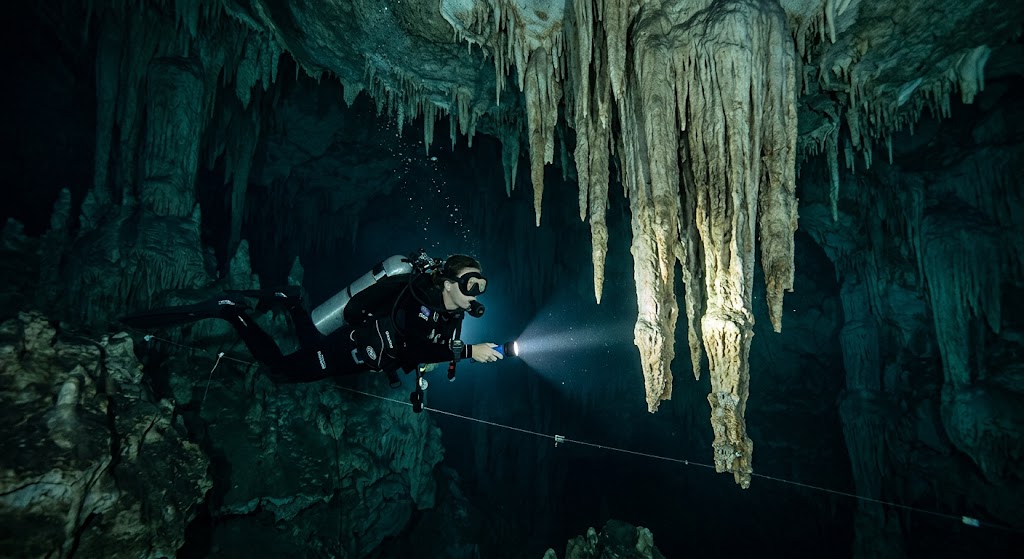
The moment you descend is magical. The water is tepid and absolutely transparent—visibility routinely exceeds 50 metres. You will encounter formations that have taken millennia to sculpt: towering columns of rock, delicate curtains of minerals, and caverns whose ceilings bristle with stalactites. Photography is permitted and highly rewarding. A guided dive costs approximately 70 US dollars, with package discounts available if you book multiple dives. Consider staying near quality hotels near the cenote zone to minimize travel time.
Planning Your Trip
Cenote diving is concentrated around three areas: Tulum, Valladolid and Mérida. The Tulum region offers the greatest variety and easiest access to famous sites like Dos Ojos and Car Wash, with operators based in town offering shuttle pickups. Valladolid, a charming colonial city, sits centrally and serves as a gateway to cenotes in the interior. Most operators are highly professional, licensed and equipped with modern gear. Book dives one to two days in advance rather than on the day itself—this ensures your preferred site and time slot.
Plan to complete two or three dives to maximize the experience. A typical diving holiday to the Yucatán spans five to seven days, allowing time to dive, rest, and explore Mayan temple sites and other natural attractions. Rent a car if possible, as it gives you flexibility to move between dive sites and remote cenotes not served by tour operators. Budget 70 USD per dive, plus transport and accommodation.
Safety & Responsible Diving
Cenote diving is statistically safe when conducted with certified guides and operators. Always dive with established operators who maintain strict safety protocols, equipment maintenance logs, and regular staff training. Never attempt to dive cenotes without a guide, no matter your experience level. The environments are complex, often featuring multiple exits and confusing passages underwater that disoriented divers can struggle to navigate alone.
Respect the cenote ecosystem: do not touch stalactites or stalacmites, do not stir up sediment, and keep a safe distance from any visible wildlife. Cenotes are fragile geological systems and sacred to the Maya people. Many are centuries old and irreplaceable. By following your guide's lead and adhering to responsible diving practices, you will protect these wonders for future generations while enjoying one of the world's most singular diving adventures.
Ready to Explore the Cenotes?
Rent a car to reach the best dive cenotes at your own pace.
View Car Rental GuideKeep Exploring
Keep exploring: Hidden Cenotes Near Tulum You’ve Never Heard Of, Homún & Cuzamá: Exploring the Cenote Route and Top 10 Most Beautiful Cenotes in Yucatán to Visit in 2025 cover more ground worth adding to your itinerary.
FAQ
What certification do I need to dive cenotes?
A minimum PADI Open Water (Level 1) certification is required. This is a safe recreational certification, not a cave-diving qualification. If you do not have a certification, you can earn one in three to four days at a dive shop in the Riviera Maya.
How much does a cenote dive cost?
Guided cenote dives cost around 70 USD per dive, including all equipment rental and the guide service. Package discounts are available if you book multiple dives. Certification courses cost 300 to 400 USD.
What is the best cenote to dive for beginners?
Cenote Car Wash (Aktun Ha) is ideal for beginners and photographers seeking a gentle, meditative dive. Cenote Dos Ojos, though more famous, offers more dramatic routes. Both are suitable for Open Water certified divers with a professional guide.
What is the best time of year to dive cenotes in the Yucatán?
November through March is ideal, offering cool temperatures, low humidity and excellent underwater visibility. The rainy season (May to October) brings oppressive heat and occasional hurricanes. Plan your diving holiday between November and March for the best experience.