Quick facts
- Peak Season
- May to August
- Pristine Windows
- November to March
- Best Summer Zones
- Cozumel, Isla Mujeres, Holbox, El Cuyo
- Real-Time Tool
- Red Sargazo platform
Sargassum seaweed invasions can turn a Caribbean beach dream into a malodorous disappointment. This brown algae blooms seasonally across the Riviera Maya, making some stretches of coast uninviting at certain times of year. The good news? With the right timing and destination knowledge, you can plan a trip that avoids sargassum entirely or minimizes your exposure.
Understanding the seasonal patterns and knowing which waters stay protected by natural currents will help you choose the perfect beach day. This guide uses documented historical data to show you exactly when and where to swim in the Riviera Maya's clearest waters.
When Does Sargassum Arrive?
The critical sargassum season runs from spring to autumn, peaking between May and August. During these months, Riviera Maya beaches can be heavily invaded by this smelly brown algae, which arrives in massive floating mats. If you are flexible with your travel dates, this is the season to avoid if pristine waters are your priority.
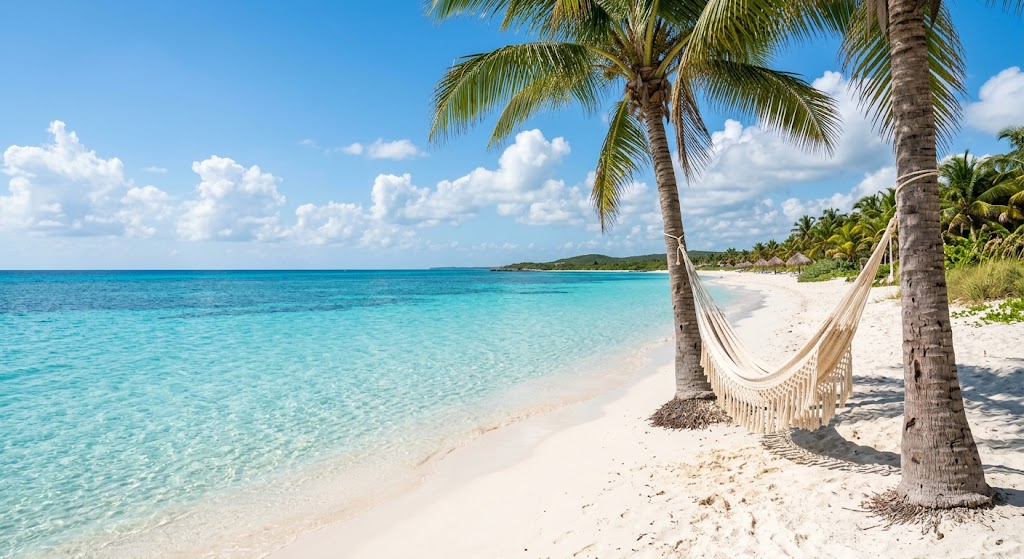
Winter months, from November to March, generally offer pristine, seaweed-free shores across the region. This period combines ideal weather with clear Caribbean waters—making it the sweet spot for beach lovers. If you must travel during the summer months, focus your trip on the geographically protected zones that remain largely unaffected by the seasonal invasion.
Where to Find Clear Waters
Not all beaches suffer equally. Natural currents provide natural protection to certain coastal zones. The west coast of Cozumel enjoys particularly strong protection from sargassum due to the direction of water flow and the presence of the Mesoamerican Barrier Reef. The northern islands—Isla Mujeres, Holbox, Isla Contoy, and the beaches of El Cuyo—remain relatively clear even during peak season because of their geographic position and the currents that push floating algae elsewhere.
If you are visiting in summer and sargassum is a concern, prioritize staying in these protected areas rather than on the central Riviera Maya beaches between Playa del Carmen and Tulum. When choosing where to stay, ask accommodation providers about their real-time sargassum status. Many resorts monitor conditions daily and can advise on the best beach access on your dates.
Plan Your Visit Around Sargassum
Your trip strategy depends on when you are traveling. Winter visitors (November through March) can book almost any coastal destination without worry. Summer and early autumn travellers should shift their itinerary toward northern islands or the west side of Cozumel, or consider offsetting beach time with cenote swimming and Xcaret parks on days when nearby beaches show high sargassum levels.
Build flexibility into your plans. Seaweed presence varies dramatically from one day to the next depending on wind and current conditions. Booking accommodation with cancellation flexibility, or planning a multi-destination road trip, lets you shift your beach time to the clearest available zones if needed. This approach transforms sargassum from a trip-ruining obstacle into a manageable seasonal variable.
Monitor Conditions & Real-Time Updates
Technology now makes it easy to track sargassum in real time. The Red Sargazo platform provides satellite monitoring and updates on sargassum concentrations across Mexico's coasts, breaking down information by region and beach. Check this tool in the weeks before your trip, and again in your final days before traveling, to make data-driven decisions about which beaches to visit during your stay.
Follow local news and your resort's social media channels as well. Many hotels and beach clubs post daily photos and sargassum alerts so guests can plan their day effectively. Remember that local conditions are highly dynamic—a beach reported clear two days before your visit might have accumulated weed overnight, or vice versa. Stay informed, remain flexible, and you will enjoy the Caribbean paradise you traveled so far to experience.
Find Your Perfect Sargassum-Free Getaway
Discover the best lodging in protected beach zones and seasonal timing guides.
Explore Where to StayKeep Exploring
FAQ
Is sargassum dangerous to health?
Sargassum itself is not toxic, but the smell can be unpleasant and some people report respiratory irritation when waves break and release hydrogen sulfide gas. Swimming in heavy sargassum is uncomfortable but generally safe. If you have respiratory sensitivities, avoid peak sargassum zones and visit during November to March.
Can sargassum ruin an entire trip?
Not necessarily. Sargassum presence varies greatly day to day and even hour to hour depending on wind and tide. If you encounter seaweed on one beach, nearby protected zones or cenotes offer excellent alternatives. Cenote swimming, in particular, is completely unaffected by sargassum.
Which months are safest for avoiding sargassum?
November through March offer the best odds of pristine beaches. February is especially reliable. If you must travel May-August, focus on Cozumel's west coast, Isla Mujeres, Holbox, Isla Contoy, or El Cuyo, which stay relatively clear due to protective currents.
How often does sargassum return?
Major sargassum invasions have become more frequent since around 2011. The spring-to-autumn cycle is now predictable, peaking May-August. However, some years see heavier or lighter blooms than others, making real-time monitoring tools like Red Sargazo essential for accurate planning.