Quick facts
- Opening time
- 8:00 a.m. (arrive right at opening to beat crowds)
- Entry cost
- 530 pesos (approximately 25 euros)
- Best pairing
- Combine with nearby Cenote Ik Kil for a refreshing swim
- Best base
- Stay in Valladolid, just 40 km away
Chichén Itzá stands as one of the New Seven Wonders of the World, a monumental testament to the sophistication of the ancient Maya civilisation. Yet this fame comes with a price: tour buses from Cancún's sprawling resort complexes arrive by the dozen, flooding the site with thousands of visitors daily. The key to an authentic experience lies in a simple strategy: arrive precisely at 8 a.m. when the gates open, and you'll gain two to three hours of near-solitude before the masses descend.
This guide reveals how to navigate Chichén Itzá strategically, making the most of your entry fee (around 530 pesos) and avoiding the crushing midday heat. By pairing your visit with the nearby cenote ecosystem, you'll create a day of exploration that balances archaeology, swimming, and genuine discovery.
Timing: The Secret to Avoiding Crowds
The difference between arriving at 8 a.m. and 10 a.m. is nothing short of transformative. In those opening hours, the site is yours to explore. The temperature is still bearable—well before the heat climbs above 35 degrees Celsius in peak season—and the light is golden and forgiving for photography. By mid-morning, the first tour buses begin unloading their passengers, and by noon, the archaeological zone becomes an exercise in queue navigation.
Plan your accommodation in nearby towns like Valladolid, just 40 km away, which offers comfortable lodging and a lively town atmosphere. A pre-dawn departure ensures you arrive refreshed and ready to explore. This timing strategy is non-negotiable if you want to experience Chichén Itzá as more than a photo opportunity.
The Iconic Structures
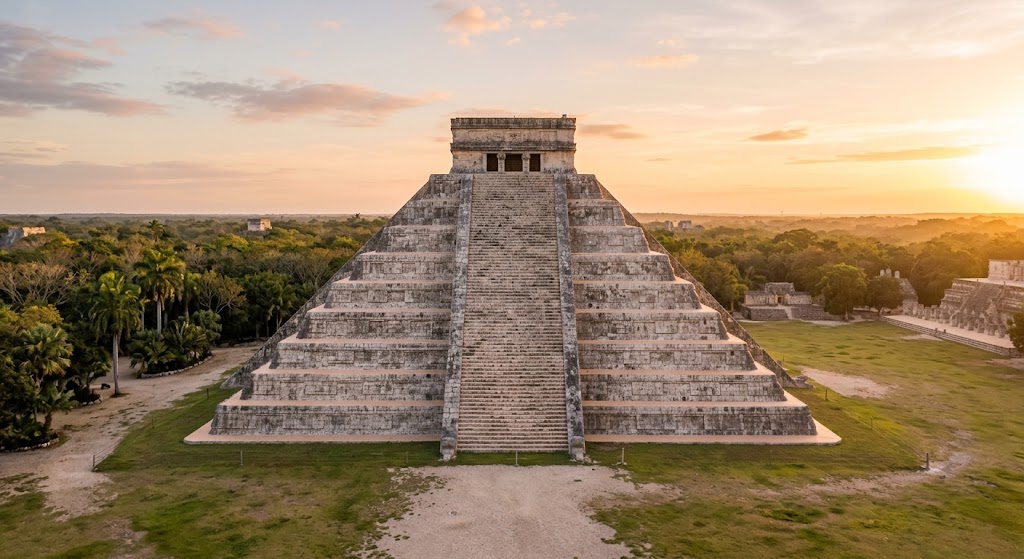
The centrepiece is the magnificent Kukulcán pyramid, also known as El Castillo. This 24-metre structure dominates the landscape and embodies the astronomical genius of its creators: during the spring and autumn equinoxes, the setting sun casts a shadow that mimics a serpent descending the western staircase. The ball court is equally remarkable—vast beyond belief and entirely unique in the Maya world for its architectural proportions. Imagine the echo of a ball rebounding off stone walls, the roar of spectators, the spiritual weight of a game that doubled as ritual.
The Sacred Cenote lies to the north, a sobering reminder that this site held profound religious significance. The Maya believed cenotes were portals to the underworld, and this one served as a place of sacrifice—archaeological excavations have revealed human remains and precious offerings cast into its depths. Standing at its rim, you confront the mysticism and darkness that defined pre-Columbian spirituality.
Practical Tips for Your Visit
Wear good walking shoes and carry at least 2 litres of water—the site offers no shade, and dehydration can ruin your experience. The entry fee is 530 pesos (roughly 25 euros), and combining it with the nearby Cenote Ik Kil creates a perfect full-day itinerary. Avoid peak hours between 11 a.m. and 3 p.m., when the site becomes congested and the sun is relentless. If you're using a rental car to reach Chichén Itzá, arrive early enough to secure parking and navigate the site without time pressure. Photography enthusiasts should prioritise the first two hours for the best light and minimal photobombing by fellow visitors.
Respect the site by staying on designated paths and never attempting to climb the structures—not only is it prohibited, but the steep limestone steps are genuinely hazardous, and barriers exist for both safety and preservation reasons.
Beyond the Ruins: Cenote Ik Kil
After exploring Chichén Itzá, the restorative dip in Cenote Ik Kil awaits just minutes away. This semi-open cenote plunges dramatically into the earth, its walls draped with hanging vines and crystalline water reflecting the sky above. The sight is almost otherworldly—a natural cathedral carved by millennia of water seeping through limestone. A wooden stairway descends safely to the water's edge, where you can swim in fresh, clear water that hovers around 24 degrees Celsius year-round.
The cenote offers an ideal counterpoint to the archaeologically intense morning at Chichén Itzá. The combination of history and natural beauty embodies the Yucatán's unique appeal: ancient civilisations literally emerged from and lived alongside these remarkable geological formations. Pack a towel, wear your swimsuit under your clothes, and allocate at least an hour to fully appreciate this sacred swimming hole.
Planning Your Trip
The best seasons to visit Chichén Itzá are November through February, when temperatures hover around 28–30 degrees Celsius and humidity is manageable. Avoid May through October, when the climate becomes oppressive, with feels-like temperatures exceeding 35 degrees Celsius and heightened hurricane risk. March sees crowds spike during the US Spring Break, so unless you're specifically timing an equinox visit, aim for quieter months like November or February.
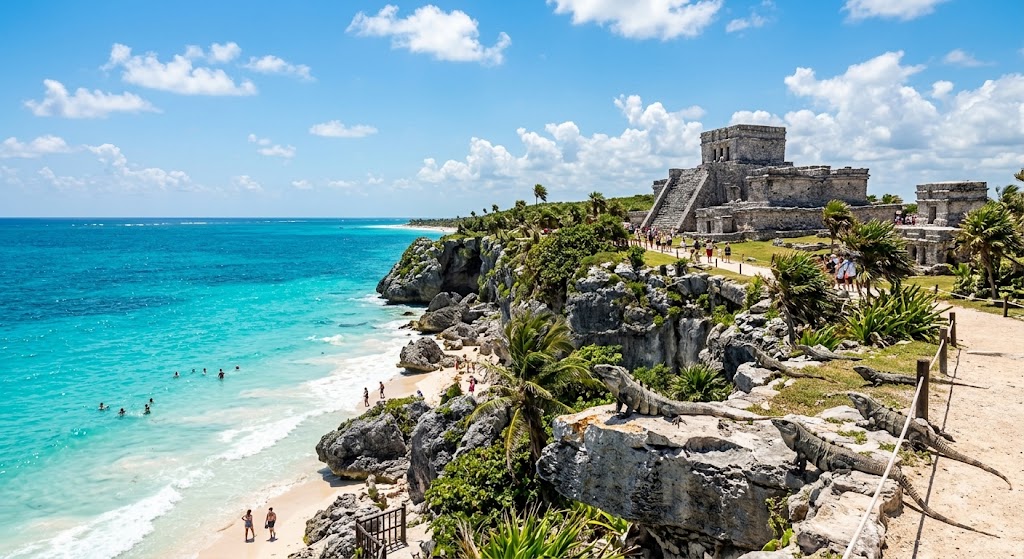
Budget your visit as part of a broader regional exploration. Other major Maya sites like Tulum and Coba offer different experiences—Tulum perches dramatically above the Caribbean, while Coba sprawls across 80 square kilometres of jungle. Chichén Itzá's strength lies in its iconic grandeur and manageable size, making it ideal as a day trip from Valladolid or as part of a broader 10-day itinerary exploring the peninsula's cultural heart.
Plan Your Chichén Itzá Adventure
Find the perfect base in Valladolid or along the Riviera Maya
Explore Where to StayKeep Exploring
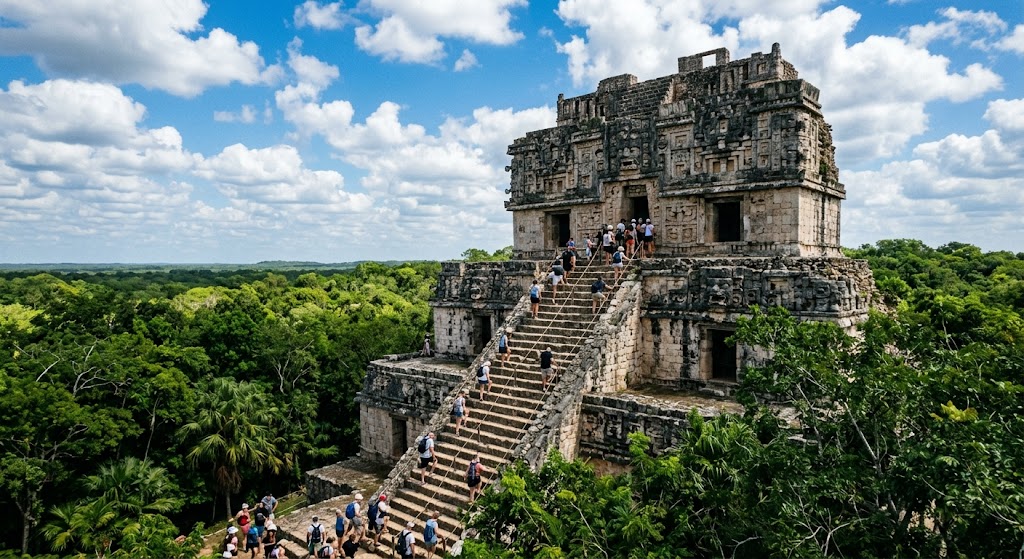
If you're still planning this part of the trip, these guides pair well with it: Ek Balam: The Experience of a Pyramid You Can Still Climb, Exploring Mayan Ruins Beyond Chichén Itzá and Tulum vs Coba: Maya Architecture by the Sea and in the Jungle.
FAQ
What time should I arrive at Chichén Itzá?
Arrive right at 8 a.m. when the site opens. This gives you two to three hours of relative solitude before tour buses begin arriving. You'll also beat the intense midday heat, which can exceed 35 degrees Celsius in summer months.
How much does it cost to enter Chichén Itzá?
Entry costs 530 pesos, approximately 25 euros. This single fee covers the entire archaeological zone, including the Kukulcán pyramid, ball court, and Sacred Cenote. Budget separately for the nearby Cenote Ik Kil if you want to combine the two.
Can I climb the Kukulcán pyramid?
No. Climbing the structures is prohibited for both safety and preservation reasons. The limestone steps are extremely steep and hazardous. However, you can walk around the base and admire the architecture from multiple angles, and the viewing impact is still profound.
Is Chichén Itzá worth the entry fee?
Absolutely. As one of the New Seven Wonders of the World, Chichén Itzá offers unparalleled insights into Maya civilisation and architecture. The morning visit, when you can explore without crowds and in pleasant light, transforms the experience into something genuinely memorable and educational.